
Before the official launch, the internet was flooded with fake renders and AI-generated concepts claiming to show the upcoming Swatch × AP collaboration.
Most people expected one thing: an affordable Royal Oak wristwatch.
Social media pages posted mockups showing classic Royal Oak-inspired cases, integrated bracelets, and AP-style dials in colorful Swatch materials. Excitement grew rapidly because fans imagined finally owning something visually close to a Royal Oak at a fraction of the price.
But when the real product was revealed, reactions changed instantly.
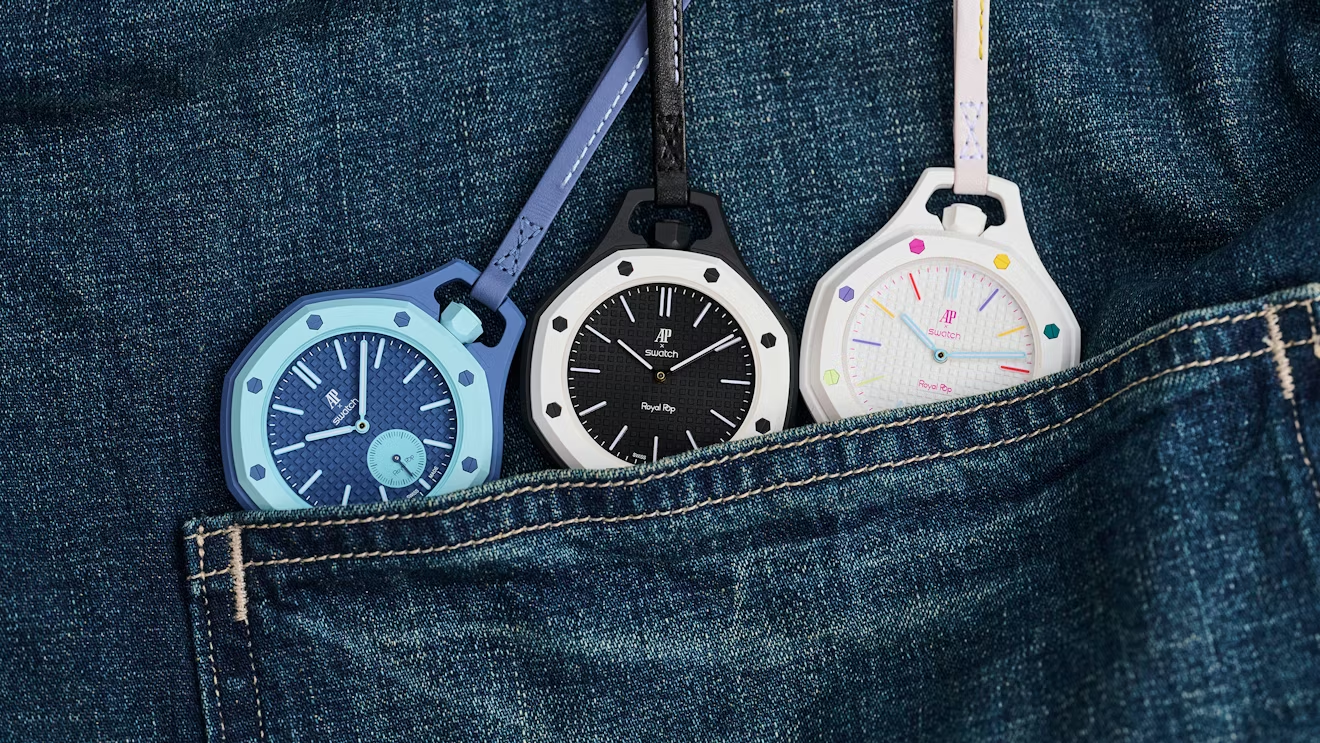
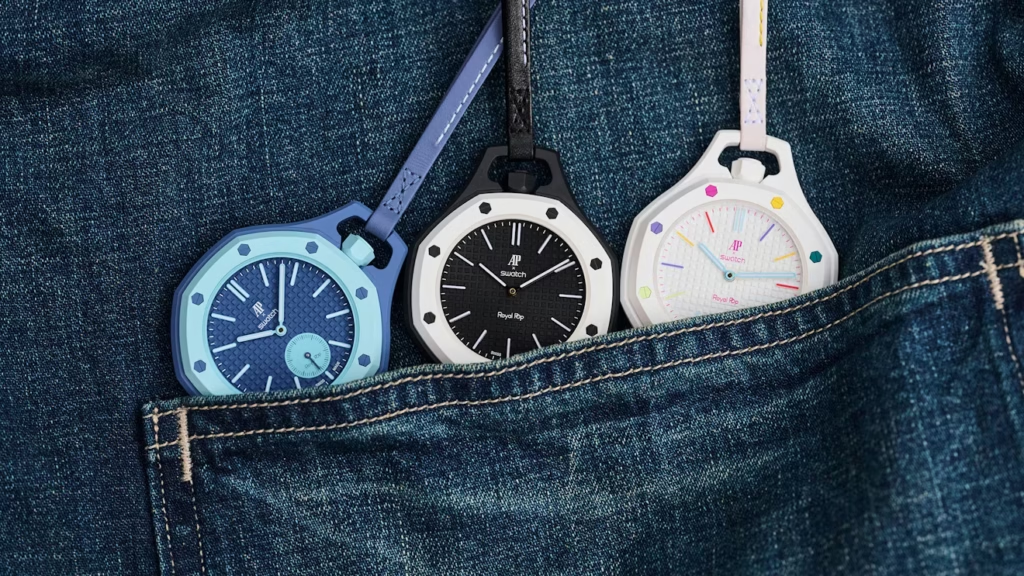
Instead of a normal wristwatch, Swatch and AP launched the “Royal Pop” — a wearable pocket watch inspired by vintage Swatch POP designs from the 1980s.
Many people were confused at first. Others felt disappointed because the final product looked completely different from the rumors circulating online.
This situation highlights how modern hype culture works. Social media speculation often becomes stronger than reality itself. AI-generated images spread so quickly that many buyers had already formed expectations before the official announcement even happened.
In some ways, the collaboration became more famous because of the confusion.
The shock factor created endless online discussion, memes, debates, and reactions. Some collectors called it genius marketing. Others called it one of the strangest luxury watch releases ever made.
But from a business perspective, the strategy worked perfectly: everyone is talking about it.
Analysis from WIRED Magazine


 No products in the cart.